Bikes in the capital
Cycling that respects mixed streets
Riders share road space with buses, deliveries, and people on foot near shop fronts. Our cycling section documents merge points, worn paint, temporary works, and courteous positioning—information you can scan before you ride, without promises about traffic or personal performance.
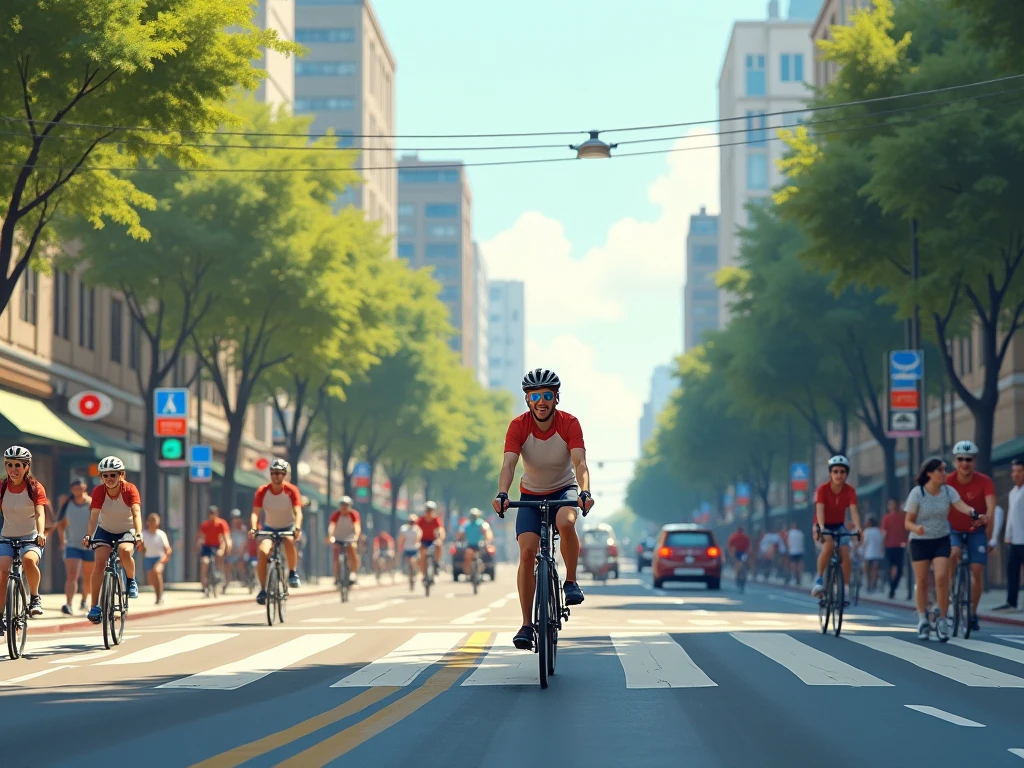
Field checks we perform
We look for continuity, visibility, and predictable behaviour at conflict points—not lap times or leaderboards.
Riding habits step by step
Signal early
Change position in slower traffic with clear hand signals when appropriate, so drivers and other riders can read your intent without sudden moves.
Respect bus stops
Leave room where passengers step to the kerb; buses may pull out slowly after loading.
Use lights in low light
Front and rear lights help others judge distance and closing speed—especially in drizzle or when street lighting varies block to block.
Walk when asked
In crowded pedestrian-only stretches, dismounting keeps everyone safer and matches local expectations.
How we describe routes
Longer entries combine corridor notes with alternatives: if a link feels exposed on a windy day, we mention a parallel option even if it adds a few minutes.
We do not rank riders or compare speeds. The site is for people who use bikes for everyday travel, occasional outings, or cautious first tries in the central area. Content assumes you will follow current road rules and signage at the time you ride.
Paint and layouts change—construction happens, events close lanes, and weather shifts traction. Treat published notes as orientation layered on top of what you see in real time.
Studio & phone
132 Willis Street by appointment · +64 4 385 9553